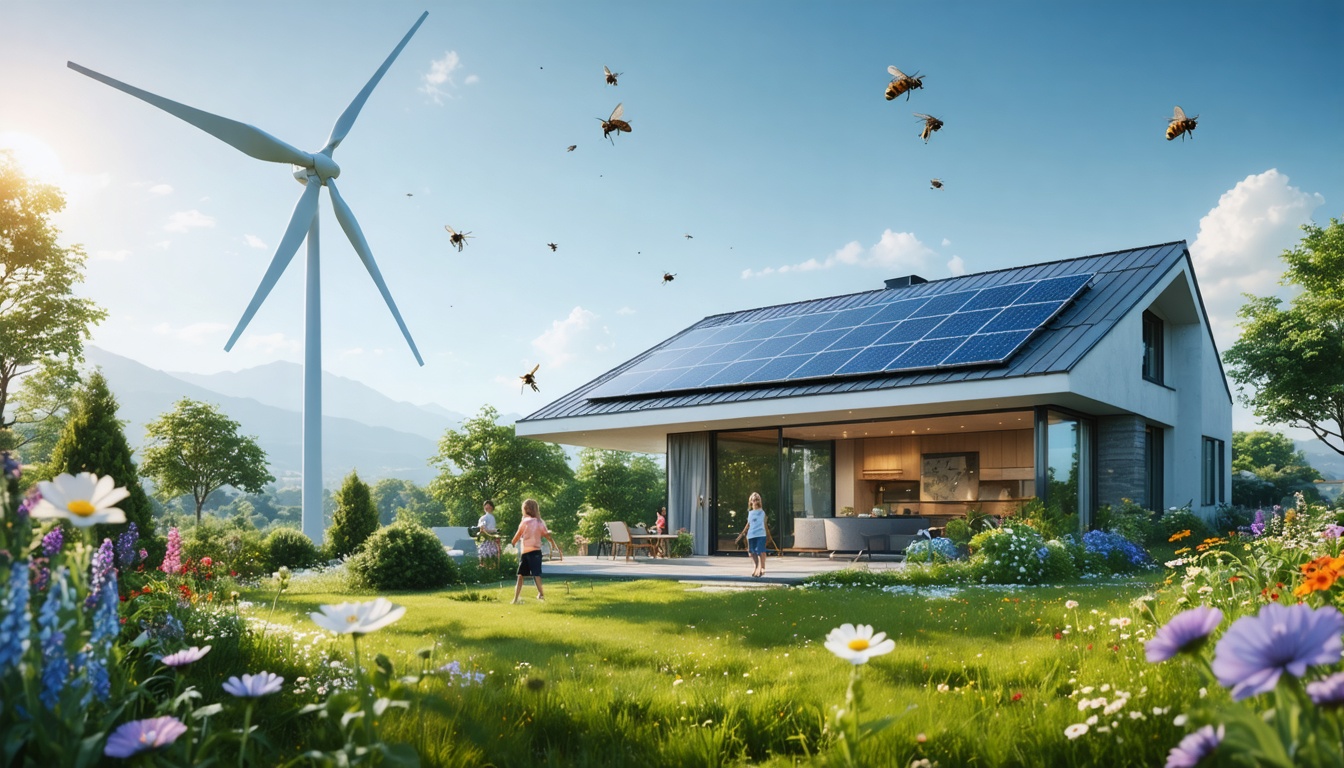
The Environmental Benefits of Choosing Renewable Energy at Home
Opting for renewable energy in your home provides access to a power source that is inherently clean and sustainably replenished by natural processes. The transition to renewable energy can lead to a reduction in household energy bills and a decreased reliance on fossil fuels. These changes contribute positively to the environment by mitigating pollution and addressing the challenges posed by climate change. The environmental impact of renewable energy sources, such as solar, wind, and hydroelectric power, is significant. These sources produce little to no greenhouse gas emissions during operation, in contrast to traditional fossil fuels. This reduction in emissions directly contributes to improved air quality and helps combat climate change by limiting the amount of carbon dioxide and other pollutants released into the atmosphere. Moreover, by choosing renewable energy, homeowners can promote energy independence, as these sources minimize dependence on imported fuels. This shift can also stimulate local economies by creating jobs in the renewable energy sector and fostering technological advancements. However, it is essential to evaluate personal circumstances before making the transition to renewable energy. Factors such as local energy policies, the availability of renewable options, initial investment costs, and the suitability of your home for renewable installations (like solar panels) should be considered. In summary, while selecting renewable energy has clear environmental advantages, it is crucial to conduct a thorough analysis of the potential benefits and challenges based on individual situations.
Defining Renewable Energy and Its Core Characteristics
Renewable energy refers to power sourced from resources that naturally replenish within a human timescale. Key examples of renewable energy sources include solar energy, wind energy, hydropower, and biomass. In residential applications, technologies such as photovoltaic panels, wind turbines, and heat pumps harness these energy sources, which are characterized by their potential to produce little to no greenhouse gas emissions.
Unlike fossil fuels, which are significant contributors to carbon dioxide and other harmful pollutants, renewable energy sources present an opportunity for reducing overall emissions. This decline in emissions is associated with enhancements in air quality and a reduction in air pollution, which have been correlated with various health complications, including respiratory issues and early mortality.
The transition to renewable energy is increasingly recognized as vital for the establishment of sustainable cities and economies, particularly in the context of achieving Net Zero carbon emissions.
The incorporation of clean energy technologies across different sectors—such as residential heating and electric transportation—encourages the broader adoption of renewable energy solutions and contributes to the development of a cleaner energy framework.
Reducing Greenhouse Gas Emissions with Clean Power
The energy choices made in residential settings have a significant impact on environmental conditions. Transitioning to clean power sources is an effective strategy for reducing greenhouse gas emissions. Opting for renewable energy options, such as solar panels, heat pumps, and wind turbines, allows households to decrease their reliance on fossil fuel-based energy sources, which are linked to higher greenhouse gas emissions. For residents in New York considering solar adoption, New York Solar Installers can provide expert guidance on selecting and installing solar systems tailored to local needs.
In the United States, the majority of electricity and heating still originates from fossil fuels. However, moving towards cleaner energy supply chains can lead to considerable reductions in annual carbon dioxide emissions. Individual household actions play a vital role in this transition.
The generation of sustainable electricity not only aids in meeting Net Zero targets but also helps lower carbon footprints, supports job creation in the clean energy sector, and overall reduces carbon emissions.
Research shows that renewable energy sources are becoming increasingly economically viable and accessible, indicating that higher adoption rates at the household level could significantly contribute to addressing climate change issues.
In conclusion, the transition to clean energy is a fundamental aspect of broader initiatives aimed at mitigating greenhouse gas emissions and promoting environmental sustainability.
Improving Air and Water Quality
Transitioning residential energy supply from fossil fuels to renewable sources can lead to notable improvements in air and water quality. Renewable electricity generation—utilizing methods such as solar panels, wind turbines, and heat pumps—generally results in lower greenhouse gas emissions and reduced levels of air pollutants.
This transition is essential for decreasing carbon emissions on an annual basis and meeting Net Zero targets, which can contribute to cleaner urban environments.
The use of alternative energy sources decreases the pollutants typically associated with conventional power plants, while also minimizing the wastewater produced during energy generation. This reduction has significant implications for the preservation of natural resources.
Economically, it is projected that the United States could save approximately $4.2 trillion annually if renewable energy solutions are more widely adopted.
From a public health perspective, various studies indicate a link between cleaner energy sources and lower risks of cardiovascular conditions. Additionally, shifting away from fossil fuels is associated with a reduction in premature deaths attributable to air pollution.
Therefore, the move toward renewable energy can positively affect both environmental quality and public health outcomes.
Advancing Biodiversity and Healthier Ecosystems
Discussions about sustainable living often highlight the significance of reducing emissions. However, the adoption of cleaner energy sources at home is equally crucial for supporting biodiversity and maintaining ecosystem health. Renewable energy technologies, such as solar panels, wind turbines, and heat pumps, contribute to reducing greenhouse gas emissions, lowering carbon dioxide levels, and diminishing air pollution.
The use of traditional fossil fuels has been associated with habitat destruction and the degradation of natural environments. Transitioning to cleaner energy sources mitigates these negative impacts and helps conserve natural resources, thereby promoting healthier ecosystems. Initiatives like the Net Zero Action across the United States are tied to multiple environmental benefits, including reduced water consumption, decreased pollution runoff, and increased resilience of ecosystems.
Furthermore, decisions regarding electricity consumption in residential areas have implications for broader economic outcomes. These decisions can help lessen the overall impact of climate change while potentially stimulating job creation within the renewable energy sector.
Therefore, adopting cleaner energy solutions at home supports both ecological preservation and economic development.
Promoting Energy Independence and Security
The reliance on imported fossil fuels can result in substantial volatility in energy prices and may expose consumers to various geopolitical risks. By transitioning to renewable energy sources, households can leverage local natural resources, including solar, wind, and geothermal energy systems. This change can decrease dependence on fossil fuels, which are linked to higher levels of carbon dioxide emissions.
Renewable energy technologies typically produce lower greenhouse gas emissions compared to traditional fossil fuel-based systems, leading to potential enhancements in air quality and a reduction in some negative effects of climate change.
The shift towards renewable energy systems presents advantages not only for individual households but also for broader urban and national economies.
In the United States, there are ongoing initiatives aimed at fostering sustainable energy practices, such as Net Zero policies and relevant tax incentives. These measures are designed to improve energy security and strengthen the resilience of the energy supply chain.
This framework supports a deliberate transition toward more sustainable energy systems, addressing both economic and environmental considerations.
Economic Advantages and Job Creation
The transition to renewable energy sources offers significant economic benefits for both consumers and the labor market. Research indicates that investments in renewable technologies, such as solar panels, heat pumps, and electric vehicles, generate approximately three times as many jobs per dollar spent compared to investments in fossil fuels.
As renewable energy generation, including wind power, becomes more widespread in various regions across the United States, the associated supply chain for these industries grows stronger and more interconnected.
This movement toward sustainable energy sources can lead to a decrease in household energy costs and improvements in air quality, while also contributing to lower carbon dioxide emissions.
Various government initiatives aimed at achieving net-zero emissions, alongside tax incentives for renewable energy projects, further enhance the viability of new energy developments. These initiatives not only promote economic growth but also play a role in reducing greenhouse gas emissions, aligning with national and international climate goals.
Overcoming Challenges in Residential Renewable Energy Adoption
Households face several obstacles when exploring the adoption of renewable energy solutions. A notable challenge is the upfront investment required for technologies such as solar panels, heat pumps, and wind turbines. Although these initial costs can be considerable, various tax credits and rebates are available that can help offset some of these expenses, thus making the transition to renewable energy more financially viable.
In the United States, local governments and community organizations have launched programs designed to provide essential technical assistance and financing options for homeowners. These initiatives aim to simplify the adoption process and alleviate some of the financial strain associated with installing renewable energy systems.
Improvements in supply chain efficiency and heightened public awareness of climate change are contributing factors to the increasing acceptance of sustainable practices. This trend towards reducing dependence on fossil fuels and shifting to cleaner energy sources is critical for addressing environmental challenges.
The deployment of renewable energy systems can yield several benefits, including lower carbon dioxide emissions and enhanced air quality. Additionally, the transition to renewable energy can promote economic development by creating jobs within the renewable energy sector and contributing to reductions in greenhouse gas emissions.
While challenges to adoption remain, effective policies and a growing understanding of environmental issues play important roles in encouraging the move toward residential renewable energy solutions.
Future Outlook for Sustainable Home Energy Solutions
As we examine the future of home energy solutions, it is evident that renewable technologies are becoming increasingly accessible and affordable. In the United States and around the world, there is a notable shift toward renewable power sources such as solar panels, wind turbines, and heat pumps. This transition is associated with reductions in household carbon emissions and diminished reliance on fossil fuels.
Government incentives, including tax credits and various financing options, are contributing to this movement, enabling homeowners to pursue Net Zero energy goals effectively.
The integration of these technologies is intended not only to lower greenhouse gas emissions but also to create employment opportunities within the renewable energy sector and spur economic development.
By selecting energy sources derived from renewable natural resources, homeowners can contribute to the reduction of carbon dioxide emissions and improve overall air quality. This transition also facilitates the establishment of a sustainable supply chain for electricity and heating, which is vital for addressing the challenges posed by climate change.
In summary, the shift toward sustainable home energy solutions is an important measure for mitigating the environmental impact of residential energy consumption. This paradigm aligns economic incentives with broader environmental objectives, representing a structured approach to enhancing sustainability in residential energy use.
Conclusion
Choosing renewable energy for residential use can significantly reduce an individual's environmental impact. Transitioning to sources such as solar, wind, or hydroelectric power helps diminish greenhouse gas emissions, which contribute to climate change. The shift to renewable energy also promotes energy independence, reducing reliance on fossil fuels, and can enhance local economic stability by creating jobs in the renewable energy sector. Despite facing initial cost barriers and logistical challenges, advancements in technology and government incentives have made the adoption of renewable energy more feasible. For example, the declining cost of solar panels and availability of tax credits and rebates can offset the upfront investments required for installation. As a result, an increasing number of homeowners are opting for renewable energy solutions, which, over time, can lead to lower utility bills and greater energy efficiency. In sum, choosing renewable energy is a pragmatic decision that can contribute to environmental preservation and economic benefits for communities. By adopting these technologies, individuals can play a role in the broader effort toward sustainability without resorting to overly optimistic claims.